 Admin
Admin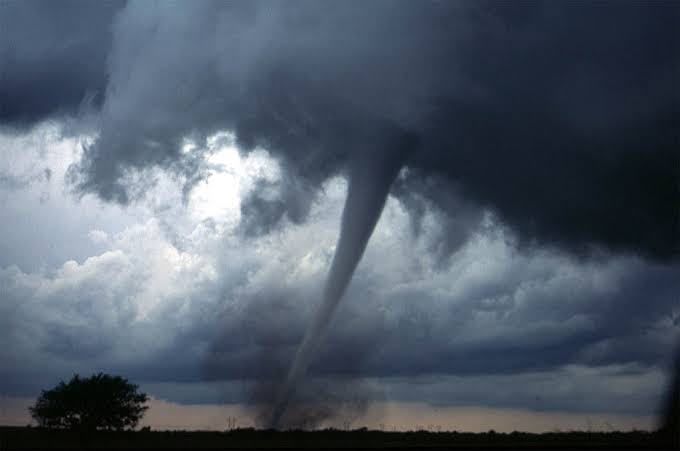
Although tornadoes are uncommon in New York City, severe weather systems can occasionally create dangerous conditions, including strong rotating storms, damaging winds, and localized tornado activity.
When a tornado warning in NYC is issued, residents should take immediate action. A warning means that a tornado has either been detected by weather radar or confirmed by storm observers in the area, requiring people to seek shelter without delay.
Understanding Tornado Alerts
Knowing the difference between a tornado watch and a tornado warning is essential during severe weather:
- Tornado Watch: Conditions are favorable for tornado development. Residents should stay alert, monitor weather updates, and prepare to take action if conditions worsen.
- Tornado Warning: A tornado has been detected or is strongly indicated. Residents should immediately move to a safe location.
When a warning is issued, emergency notifications may be sent through systems such as Wireless Emergency Alerts (WEA), local weather services, and official city communication channels.
What to Do During a Tornado Warning
If a tornado warning is active in New York City, residents should not wait to see visible signs of a storm before taking shelter.
Recommended safety steps include:
- Move to the lowest level of your building if possible.
- Take shelter in an interior room away from windows.
- Avoid areas with large glass surfaces, such as windows and balconies.
- Stay away from exterior walls where possible.
- Protect your head and neck if strong winds or debris become a concern.
For people outdoors, authorities recommend avoiding bridges, overpasses, and exposed areas, as these locations can increase danger during extreme winds. Seek sturdy shelter whenever possible.
Challenges of Severe Weather in an Urban Environment
New York City’s dense infrastructure creates unique concerns during extreme weather events.
High-rise buildings may experience stronger winds at elevated levels, and falling debris from damaged structures can pose additional hazards. Building managers and residents are encouraged to understand emergency procedures and maintain communication plans during severe weather events.
Residents should always follow guidance from official agencies, including city emergency management authorities and weather officials.
Emergency Preparation Tips
Preparation can reduce risks during unexpected severe weather.
Residents are encouraged to maintain an emergency kit containing:
- Bottled water.
- Non-perishable food.
- Flashlights.
- Extra batteries.
- A battery-powered radio.
- Necessary medications.
- Important documents.
Keeping mobile devices charged and enabling emergency alerts can also help residents receive timely warnings.
Staying Informed
During a tornado warning in NYC, rely on verified sources for accurate information, including:
- National Weather Service alerts.
- Official city emergency notifications.
- Local government updates.
- Trusted weather reporting services.
Remain indoors until officials confirm that the danger has passed, as additional storms or hazardous conditions may follow.
Final Safety Reminder
While tornado activity is relatively rare in New York City, severe weather events can occur unexpectedly. Understanding emergency procedures and knowing where to seek shelter can help protect individuals, families, and communities.
Staying informed, preparing ahead of time, and following official instructions remain the most effective ways to stay safe during a tornado warning in NYC or any severe weather emergency.
Disclaimer:
The information provided on this website is for general information purposes only. While efforts are made to present accurate and timely information, weather conditions and emergency alerts can change rapidly. Residents should always rely on official weather agencies, emergency management authorities, and local government sources for current warnings, safety instructions, and evacuation guidance. This website does not guarantee the accuracy of all published information and should not be considered an official source of emergency confirmation.
